Physical fitness- An Important factor:

Introduction

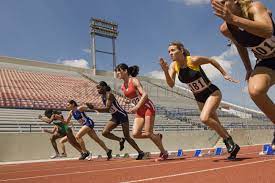
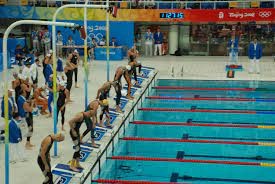
An activity involving physical exertion and skill in which an individual or team competes against another or others for entertainment go on, be a sport.


The benefits of sport extend far beyond the playing field. Participation in sport enhances health and academic achievement, supports family life, boosts the economy, and instills civic pride.


Important qualities include athleticism, concentration, decision-making skills, dedication, eye hand coordination, stamina, and the ability to work well as a team player. The primary strengths to become a paid athlete or sports competitor are superior athletic talent and extensive knowledge of a chosen sport.

Importance

Performance in sports is highly dependent on the health and physical fitness of the person. Physical fitness is a key factor which affects the improvement of the level of the movement, so we should grasp the athlete’s physical training. Physical fitness leads to better athletic performance. Reduced nonessential body fat contributes to muscular and cardiorespiratory endurance. Non-essential fat provides greater resistance to athletic motion.

“Promoting sport for all is a central policy recommendation in the WHO Global Action plan on physical activity 2018–2030. WHO is working with the sports sector to develop, scale and share best practice sport for all programs and policies.”
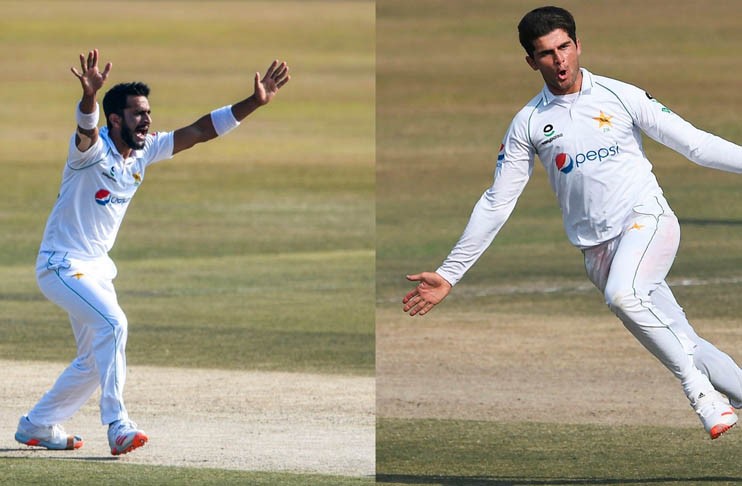
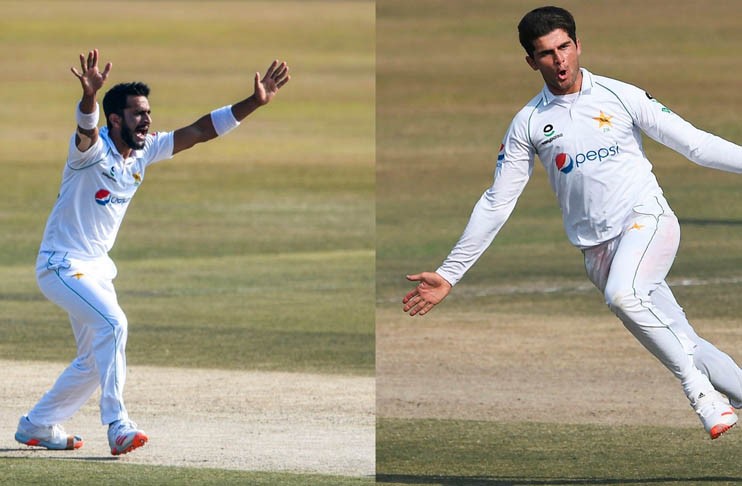
Hasan Ali praises Shaheen Afridi’s fitness and work ethic

“Shaheen Shah Afridi is an exceptional bowler .I see a hunger to succeed in his eyes and a passion to perform to his best and to me he is the fittest man in Pakistan who can bowl and field with the same enthusiasm all day long,” praised Hasan.

What is physical fitness:

Physical fitness is a state of good health, more especially to perform aspects of sports. It is the quality of being fit and healthy. Moreover, it also includes tissue and organ system function, the basic sport ability in sports activities.

Science has confirmed that playing sports is an excellent way to boost your health and fitness.

A reason of happines:

Sports, is a great source which can make you happier. Playing games like cricket, football releases stress, make you happy and worry less. playing sports stimulates the production of endorphins which increase positivity and reduce perception of pain. It reduces symptoms of anxiety. It also helps people be more aware of their mental state.

Help in reducing weight:

While playing, more physical activity increases, the calories in our body burns off. This is the most effective way for burning calories and improving health. Hence adding different types of sports in your life can increase your physical fitness and improve your health.
Hasan Ali praises Shaheen Afridi’s fitness and work ethic

Pakistan fast bowler Hasan Ali has showered Shaheen Afridi with praise following his solid start to the English county cricket season.
Praising Shaheen, Hasan Ali said called his fellow colleague “an exceptional bowler.”
Other benefits of sports for health:
Sports can provide:

  • Sports pushes you to challenge yourself.
  • Sports exposes you to the highs and lows of losing and winning.
  • Sports can improve your balance and reduce the risk of falls .
  • Sports can help you quit smoking .
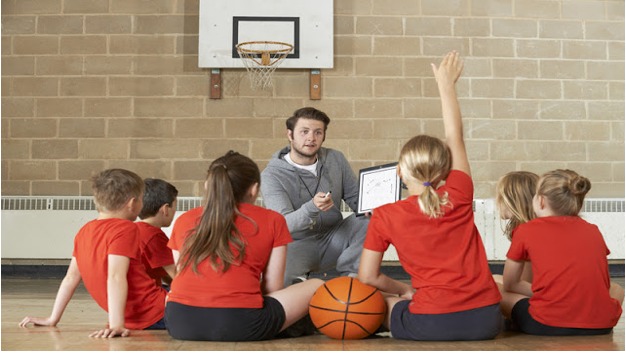
HOW TO KEEP YOUNG ATHLETE MOTIVATED:

Motivation is the process that initiates, guides, and maintains goal-oriented behaviours. Achieving a goal, whether short- or long-term, can be a tremendous motivator. Keeping a team motivated is hard.
Motivating your team to be the best they can be is one of the most difficult tasks you’re faced with. Setting a combination of individual and team goals can be particularly effective for motivating athletes.
There are a lot of strategies which can use to create an ideal atmosphere to motivate athletes:

Teach them how to destress and relax

Competing always leads to some stress. And that can be good — a little stress helps the body face a challenge. But too much stress can take the fun out of a sport and make it hard to perform. An athlete must keep in mind these things:
Deep breathing: Take a deep breath and hold it in for about 5 seconds, then release it slowly. Repeat five times.
Muscle relaxation: Contract (flex) a group of muscles tightly. Keep them flexed for about 5 seconds, then release. Repeat the exercise five times, then move to a different muscle group.
Going to a happy place: Picture a peaceful place or event. Imagine stress flowing away from the body.
Visualizing success: Imagine completing a pass, making a shot, or scoring a goal.
Mindfulness: Focus on the present instead of worrying about the future or the past.
Having a routine: Focus on the routine to keep stress in control.
Thinking positively and developing positive self-talk: Say “I learn from my mistakes,” “I’m in control of my feelings,” “I can make this goal!” to help keep the negative thoughts away.

Create the right environment:

When a player arrives for one of your training sessions, they should feel a surge of impetus hit them from the off. You can rouse that emotion in your players by creating a positive environment in and around your training facilities. From our experience with athletes, we have established that the better understanding you have of your players and the more established your relationship with them the better the chances are of them responding positively to your setup. Happy players tend to be better aligned for delivering a higher performance. Coaches, managing staff as well as support staff must make an effort to get to know their players both personally and professionally.

Celebrate the failures:

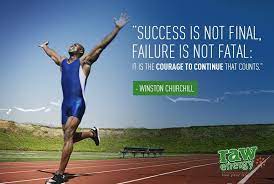
The way you bounce back after making a mistake is a big indicator of your skills as a competitor. Great competitors know that failure is a part of competition, and have a plan for recovery. That’s where the mistake rituals come in.

Failure will happen in competition, so why not practice it?

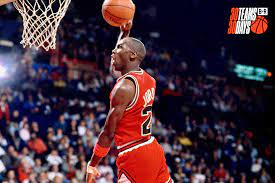
“I’ve missed over 9000 shots in my career, I’ve lost almost 300 games. 26 times I’ve been trusted to take the game’s winning shot and missed. I’ve failed over & over & over again in my life. And that is why I succeed”

Michael Jordan-Basketball Player:

Jordan was scrapped from the High School Team and at 5’11″ was deemed too short to play at that level and was told to lack skills. But he never gave up. Living on the principle of “I can accept failure but I cannot accept not trying,” Jordan scripted one of the best failures to success stories as he went on to become the best player in the history of the sport.

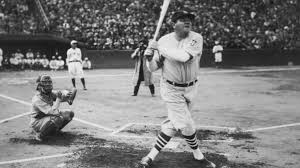
Babe Ruth- A Baseball player

George Herman “Babe” Ruth Jr. was an American professional baseball player whose career in Major League Baseball spanned 22 seasons, from 1914 through 1935.

Considered as one of America’s greatest sporting heroes, Babe Ruth is yet another phenomenal story of a turnaround. Having started well, his game went down and for a decade, he held the record for the highest strikeouts. But as they say, strong characters turn it around. Babe went on to change his fortunes and created the record of having the third highest home run tally.

“Every strike brings me closer to the next home run.”

Let your young athlete make his or her own choices.

If it’s a poor choice, let them face natural consequences. This is probably one of the most powerful teachers of all. If you’re young athlete doesn’t get much playing time because he or she chooses to be lazy in practice, then so be it. But if your young athlete works hard and reaps the benefits, it motivates him or her to keep working hard.

Ask your young athlete the right questions.

What do you really want? What is your goal in this sport? What makes you want to work harder? When he or she talks, listen well. Respect the answers, even if you don’t like them. Allowing your young athlete to have his or her own goals and desires builds confidence, which is a big motivator to do one’s best.

Positive reinforcement

Coaches should always balance their positive and negative feedback. If an athlete is lacking motivation, it is important to slightly over balance the positive reinforcement. Make sure to praise your athlete for their hard work, training bests, a PR, or their work ethic. Sport includes both success and failure, and success usually does not come without failure. It is your job to normalize failure as something that is to be expected and productive in order to succeed.
When communicating positive and negative feedback with your athlete make sure to mention the positive before talking about ways to improve as it motivates the athlete to learn and prioritize a change from their failure more so than receiving
negative feedback firs

Use imagery

Focus on setting a mental state that will work best for your athlete. If the athlete is a novice, focusing on external stimuli will help motivate them while experienced athletes should focus more on internal factors such as how their body feels during the training. Images are everywhere in today’s society and have a greater influence on us than we would think. Have your athletes follow races online, watch professional clips of their sport, etc. Make sure to post or share image.

HEAT STROKES AND ATHLETES

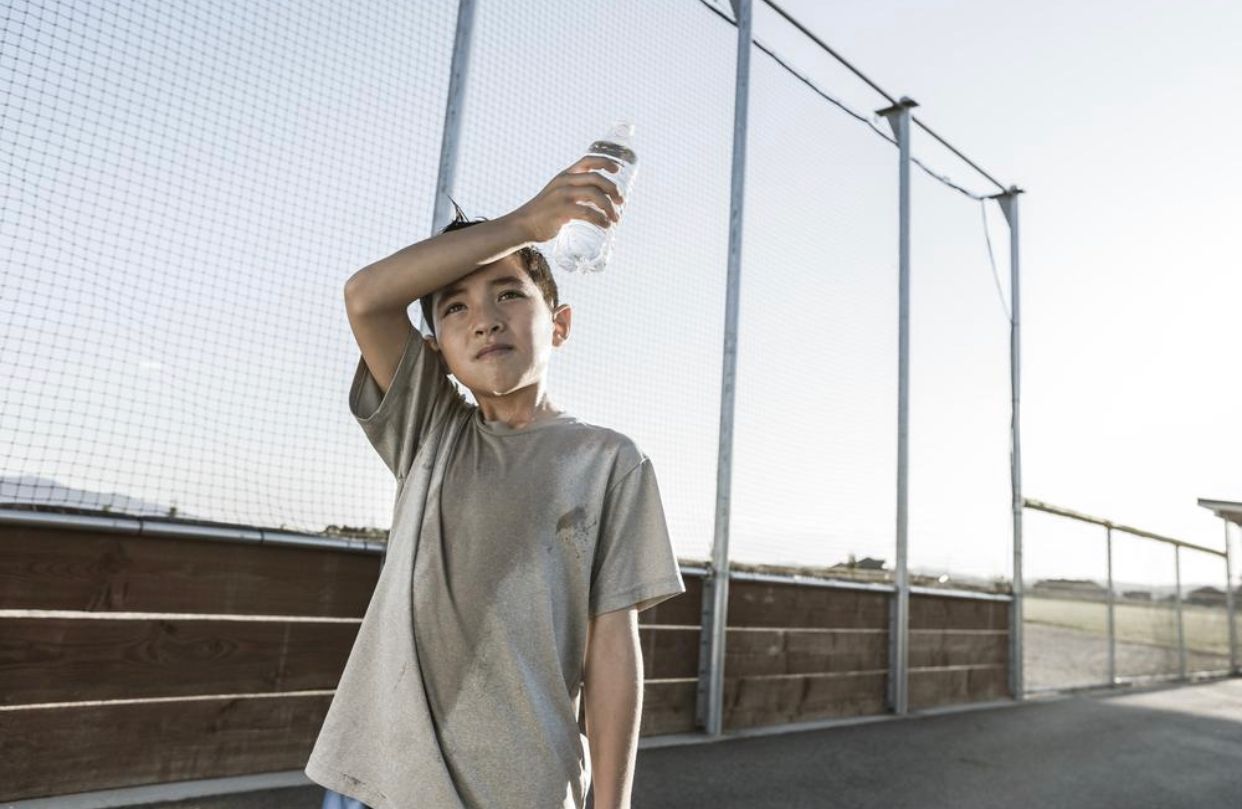
Living and playing in hot states means hot days, high humidity and an increased risk for dehydration, heat stroke and heat exhaustion. Heat stroke is always a risk in summer and put athletes at increased risk for heat illness as they’re more likely to become dehydrated and causes deaths.

MARATHONER DIED OF HEAT STROKE

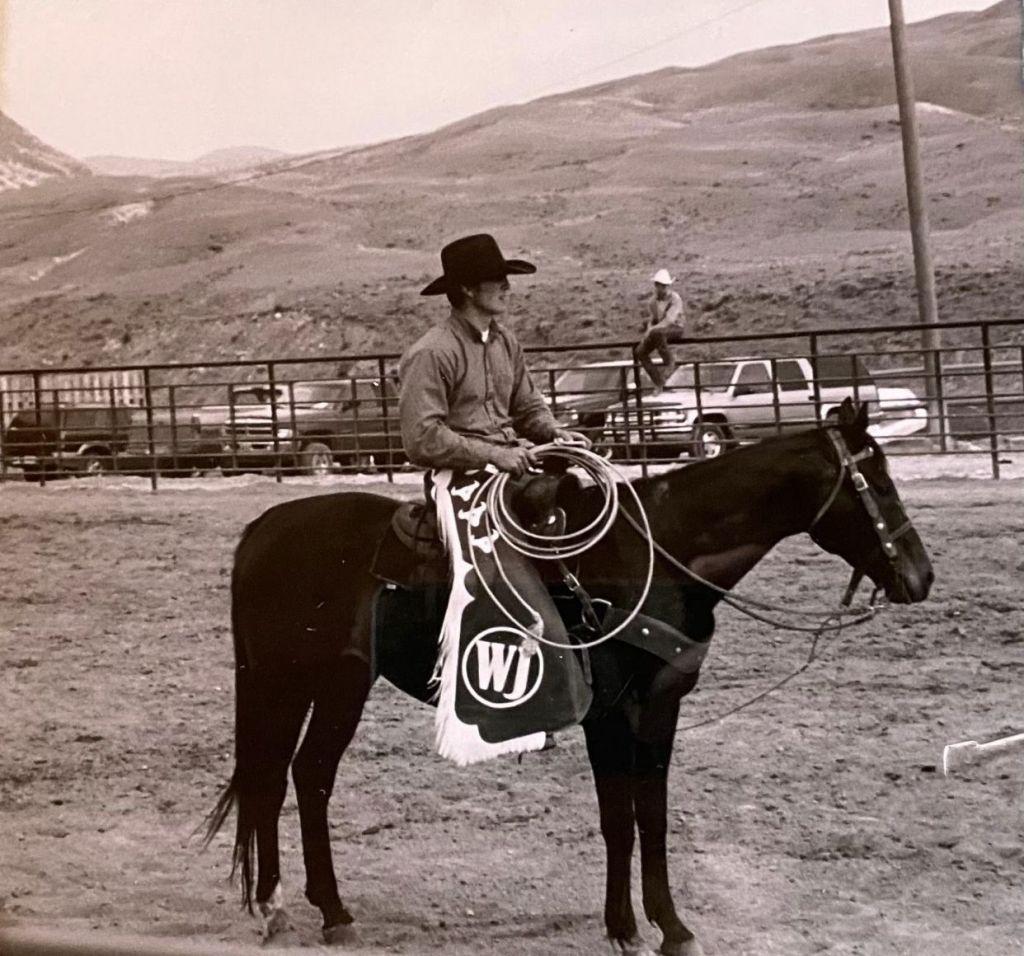
A summer of wrangling cattle and riding horses on a Montana ranch, Luke Roach was a fit 22-year-old whom his sister called “an ox” and “the strongest person I know.”

0n October 7, 2001 Luke died while running the Chicago Marathon. He was on Mile 25, nearly finished, and simply collapsed. But three months after his collapse near the finish line, a medical examiner’s study completed late last week confirmed what was initially suspected while running 26 miles at a blistering seven-minute-per-mile pace, his temperature had soared to 107 degrees, and he died of heat stroke. “He overdid it,” said a spokeswoman from the Cook County medical examiner’s office. “He pushed himself too hard.” When Roach of Seattle first collapsed, witnesses said, he got up and started running again. When he fell a second time, he was in cardiac arrest.

“It was his personality to push and push. He was like a horse,” said his sister. “In Montana, he would work in blizzards in just a light jacket until his job was done. He never gave up.”


For beginning runners, desire to run farther and faster to meet goals sometimes causes them to bite off more than they can chew. That zeal often leads to minor injuries, such as stress fractures. But pushing too hard can also trigger sudden death, though it is very rare, especially in young runners. Heat stroke is not rare, but dying from it is, especially for a young, well-conditioned athlete running on a cool day. Unlike three high school and college football players who died from heat stroke in August, Roach’s death was not easily attributed to extreme outside temperatures, leaving doctors puzzled.

THE MARATHON RUNNER – GABRIELLE ANDERSEN SUFFERED HEAT PROSTRATION

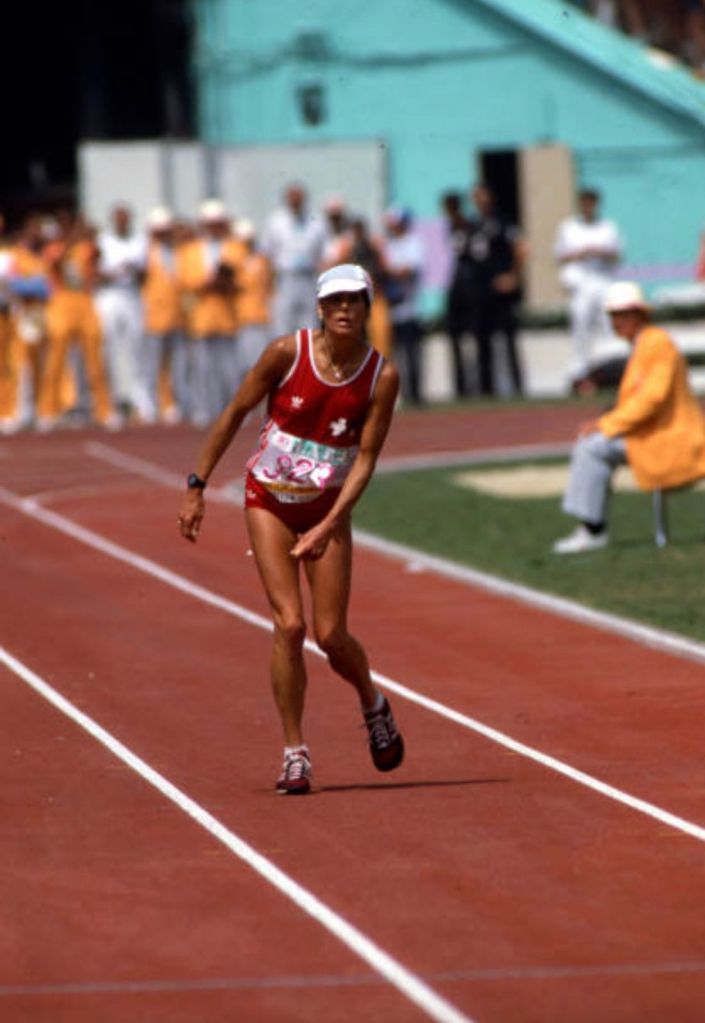
Millions around the world watched as Gabriele Andersen, dehydrated, cramping and suffering from heat exhaustion at the end of the 1984 women’s Olympic marathon in Los Angeles ,dragged her body around the track inside the Los Angeles Coliseum. Andersen weaved and staggered through the final 400 meters of the 26.2-mile event. Technical director for the New York Marathon, determined that despite her appearance, Andersen was sweating, coherent and in no imminent danger. He allowed her to continue to the finish line where she collapsed in the arms of Coliseum officials. The image of Andersen, arms dangling limply by her side and with a facial expression frozen in a pose of pain, will forever be etched in the minds of all who watched her that day.

In my opinion, they should have stopped Gabrielle Andersen, taken her from the track, and attended to her medical needs no matter how close she was to the finish line. She was in no condition to continue. I have tried to understand why they let to continue her, but I cannot. I know it was the first women’s Olympic marathon, and I appreciate how important and how significant a sporting, historical and even political event it was for women, but I still can’t justify it.

A medical doctor who watched the race said, “They were correct not to stop her. They tried to stop her, but she waved them of.”

From this it was a clear sign that the 39-year-old Andersen was not confused. She didn’t want to stop, and if somebody goes 26 miles in an Olympic marathon and is determined to finish, then surely she will continue. Andersen was lucky. With a body temperature in excess of 105 degrees, the failure of her vital organs and the likelihood of complete collapse of the body was just around the next turn.

Runners, regardless of ranking and status, should be taking more seriously the point at which pride ends and realistic thought about personal limits becomes an issue.

You have to listen to your body.

Athletes have to monitor themselves, and stop and sit down when they feel sick. Hot summer weather is especially dangerous because runners often don’t recognize the early stages of heat injury until it is too late. When the body’s temperature rises and dehydration begins to set in, the amount of blood flowing to the brain causes the runner to become dizzy. Athletes have to monitor themselves, and stop and sit down when they feel sick.

TIPS TO AVOID HEAT STROKE

Heat stroke is a real concern for all athletes, but parents need to be extra conscious of young athletes who may not know when they need to take a break. Parents and coaches need to pay even more attention to those who play sports that require wearing heavy equipment, like football.

SUGGESTED TIPS:

  1. Doctors advise runners and anyone working outside during hot weather to drink plenty of water before, during and after activity. The more hydrated, the longer and safer you can work in heat. Coaches and parents need to make sure unlimited amounts of water are available for athletes during practices and games. During physical activity in hot weather, try to schedule water breaks roughly every 20 minutes.
  2. To quickly cool an overheated player: • Move the athlete to the shade or an air-conditioned space. • Remove all unnecessary clothing. • Consider placing the athlete on their side to maximize the surface area of the body that is exposed to the air and to help prevent aspiration if they vomit. • If available, apply ice packs to the athlete’s neck, armpits and groin regions. • Circulate air across the athlete’s skin using an electric fan or manual fanning. • Use a wet cloth or spray mister to keep skin and hair moist. • If the player begins to shiver, reduce the cooling efforts. • If the athlete is conscious and alert enough to safely drink, then rehydrate with water.
  3. Listen to your body, it is talking to you. When you or someone else notice signs of a heat-related illness STOP immediately and start taking action.
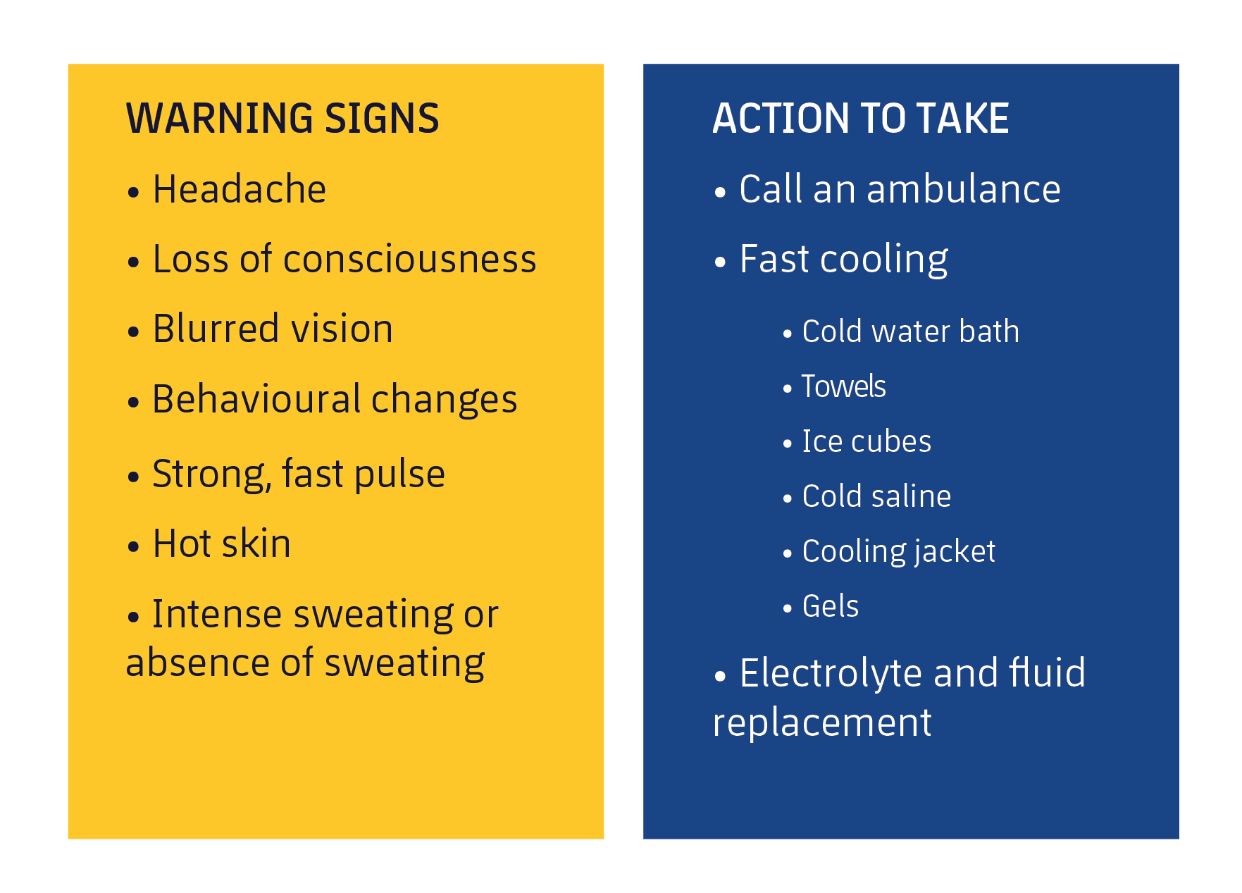
Warning signs and step to take in a situation of exhaustion and heat stroke.

Written by: MUNIBA FARHAT.

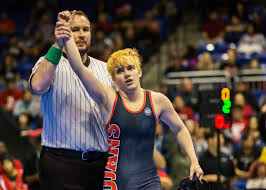
Transgender Athletes Face Bans From Girls’ Sports in 10 U.S. States


Over the past two years, nine states have enacted laws to bar transgender girls and women from competing in girls’ and women’s sports. Another relied on an executive order for a ban.

L.G.B.T.Q. rights supporters gathered last month at the Texas statehouse to protest efforts to restrict the participation of transgender athletes in sports.

By David W. Chen
Oct. 28, 2021
Texas has become the latest, and the most populous, state to bar transgender girls from participating in girls’ sports at public schools.

Texas interscholastic rules had already prevented athletes from competing outside the gender category they were assigned at birth, unless they had changed their birth certificates to reflect their gender identity. But conservative lawmakers wanted to close the loophole, so they put forward a bill that was signed into law on Monday by Gov. Greg Abbott, a Republican.


Since 2019, nine states — all controlled by Republican lawmakers — have enacted legislation to ban or limit athletic participation by transgender students, and another has done so via executive order, with all but one of the laws coming in 2021, according to the National Conference of State Legislatures.


Supporters of the new law say that it promotes fairness because, without such legislation, women’s sports could be dominated by transgender athletes who have benefited from the gains in strength typically conferred by male hormones produced during puberty.

“Trans kids and adults in Texas — and everywhere — deserve love and support, peace of mind, health care, happiness, to be carefree and focus on living out their greatest potential,”

said Ricardo Martinez, chief executive officer of Equality Texas, the state’s largest L.G.B.T.Q. organization.

“They deserve not to be debated but affirmed and the right to exist without their government trying to push them out of everyday life.”

J. David Goodman contributed reporting

The transgender sports disturbance.

There is in the news a great deal of discussion about transgender kids and adults participating in sports. Most of this discussion is focused upon all of the wrong things, things like how brave transgender athletes are, or how progressive an event coordinator is, etc..

What is missing is reality. Gender plays no role in sports competitive categories. I believe the word does get used, but only by people who prefer not to use the word sex in this context as they think it refers to copulation.

You see, sports competitive categories are defined by biological sex, not by gender. So, it doesn’t matter whether you are gay, lesbian, or transgender, you compete against others of you biological sex, age, ability, etc.

Some of these categorizations stem from people not wanting their sons/daughters mingling closely with competitors of the opposite sex. Girls, for example, were not allowed to wrestle boys when I was in school, and now some can (some, not all). Many of these segregations were completely unnecessary to create competitive balance, just to preserve prudishness, dignity, or whatever. (In my sport, archery, I would lump all boys and girls together in age group or ability categories and I have the data to back that position up. I also recognize that boys and girls can lose points to their score because they are more interested in flirting than shooting, but they have to learn that lesson some time, why not then?)

Written by: fatima sohail..